Types of Panels Monitor: IPS, VA, TN and OLED Guide
Discover the differences between VA, TN, IPS, OLED and QD-OLED monitor panels. Full guide to choose the perfect screen for gaming, graphics and work.
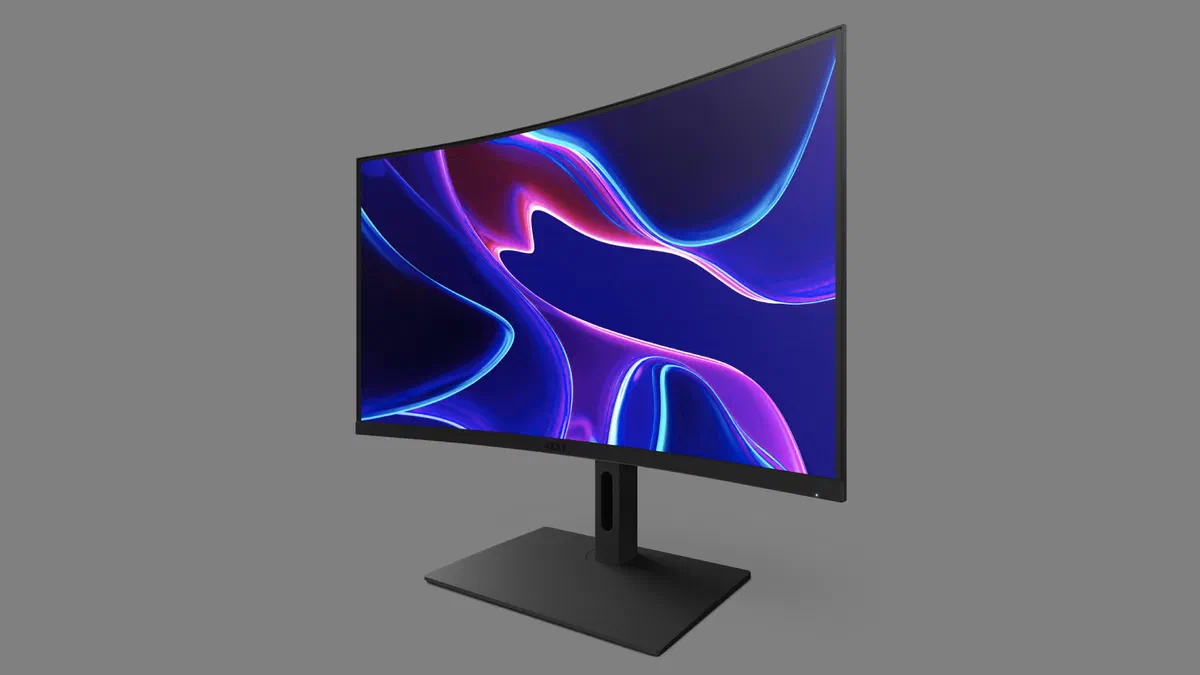
Choosing the best monitor is essential to maximise user experience, both in gaming and in work or entertainment. In recent years, display technologies have taken giant steps. However, to maximise performance, it is essential to understand the real differences between the various types of monitor panels. In this guide we will explore in detail the main technologies available on the market.
Overview and Comparison of the Types of Panels Monitor #
Here is a quick summary of the key features of the main screens per pc. This table summarizes the pros and cons of each technology. Actual performance can vary according to model and brand manufacturer.
What are the LCD Panels? #
LCD panels (Liquid Crystal Display) represent the standard technology for most traditional monitors. Their operation is based on a white backlight, whose light crosses liquid crystals and special filters to generate the screen image.
VA panels (Vertical Alignment) #
The VA panels (Vertical Alignment) stand out for the vertical alignment of liquid crystals, proposing themselves as an extremely versatile solution. Their greatest advantage is the exceptional contrast ratio, able to return very deep and bright white blacks for a high-level visual immersion. If in the past they suffered from high response times, modern models have given up this obstacle. Today, a VA monitor is an excellent choice in the middle band and represents the reference standard for curved monitors.
TN panels (Twisted Nematic) #
The TN panels (Twisted Nematic) are the undisputed kings of speed. They guarantee low response times and support very high refresh rates, historically making them the first choice for eSport video players. The compromise for this extreme reactivity lies in lower chromatic accuracy and narrow angles of vision. However, for those seeking maximum FPS at a low price, the TN monitor remains a terrific ally.
IPS panels (In-Plane Switching) #
The IPS panels (In-Plane Switching) elevate visual quality by guaranteeing impeccable color fidelity and wide viewing angles. They are considered the best graphics monitors, photographers and content creator. Thanks to recent innovations, they filled the speed gap with the TN panels, proposing themselves as the perfect “all-round” screens, ideal for both photo editing and high-level gaming.
The Evolution: OLED and QD-OLED panels #
OLED technology (Organic Light-Emitting Diode) #
OLED technology (Organic Light-Emitting Diode) has marked a real turning point. Unlike LCDs, an OLED monitor does not need global backlight: every single pixel emits light independently. This allows you to literally turn off pixels in dark areas of the image, giving absolute blacks and an infinite contrast.
OLED screens excel in every metric: vivid colors, perfect viewing angles and instant response times. Despite the fear of burn-in being high in the past, modern protection systems have made these screens safe for everyday use. OLED technology has also opened its way to innovations such as flexible monitors.
QD-OLED innovation (Quantum Dot OLED) #
The QD-OLED panels represent the current technological apex. By integrating Quantum Dot with organic diodes, this technology offers superior brightness than traditional OLEDs. If you want to make the most of HDR content for a cinematic experience, a QD-OLED monitor is the ultimate choice.
Frequently asked questions (FAQ) #
What is the best monitor panel for competitive gaming? #
For gaming eSport, a TN panel or a Fast IPS are ideal thanks to the minimum response times and high refresh frequencies, which eliminate the ski effect in the hectic scenes.
Why choose an IPS panel instead of a VA? #
Choose an IPS if your priority is color accuracy and visual consistency from different angles, ideal for professional work. Choose a VA if you prefer a high contrast and deep blacks for movies and multimedia entertainment.
Are OLED monitors safe for prolonged use? #
Yes, modern OLED monitors include advanced protection technologies such as pixel-shifting and automatic cleaning cycles that drastically minimize the risk of image retention (burn-in) during normal use.