

The Macintosh platform virtualization landscape has undergone a radical transformation with the transition from Intel (x86) processors to Apple Silicon SoC. This step is not a simple hardware update, but a change of architectural paradigm that has redefined the modes of execution of guest operating systems.
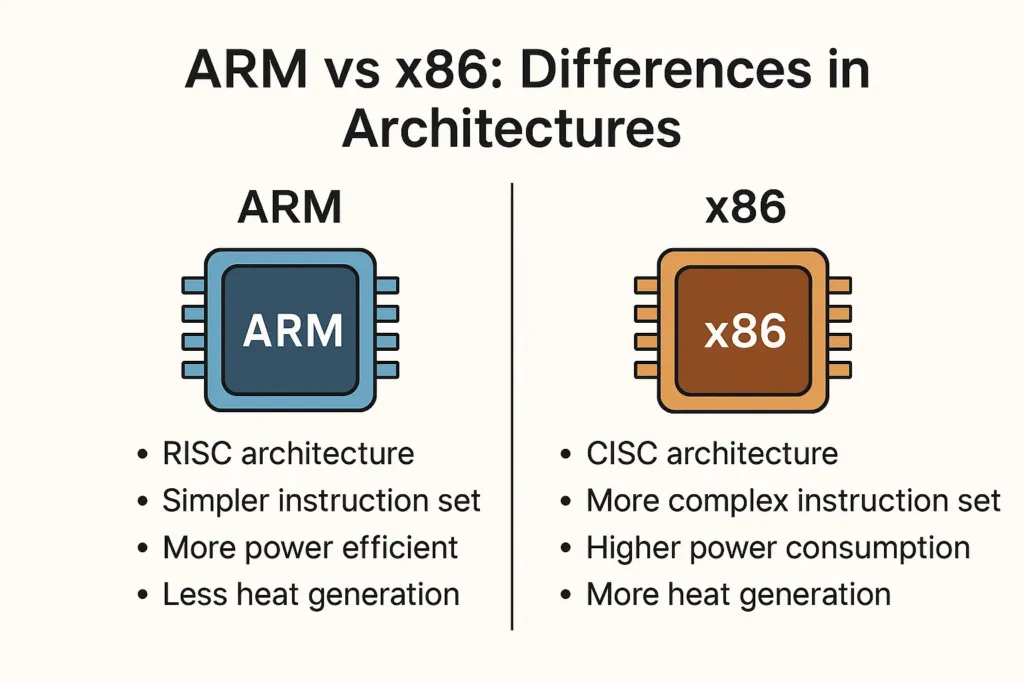
The paradigm shift: From Intel VT-x to ARM64
Previously, virtualization on Mac supported Intel VT-x instructions, allowing native execution of x86 systems (such as standard Windows or Linux amd64). With the introduction of ARM architecture on Apple chips, the process changed.
While emulation (real-time code translation) can result in a decrease in performance, the native virtualization of ARM64 operating systems on Apple Silicon guarantees energy efficiency and unprecedented system responsiveness. The new hypervisors directly exploit the capabilities of the SoC, drastically reducing the overhead on CPU and memory, allowing smooth running of virtual machines even on basic hardware configurations such as MacBook Air.
Software Platform Analysis
The market offers different solutions to manage this new scenario, each with specific use destinations and technical maturity levels.
UTM: The Open-Source Native approach
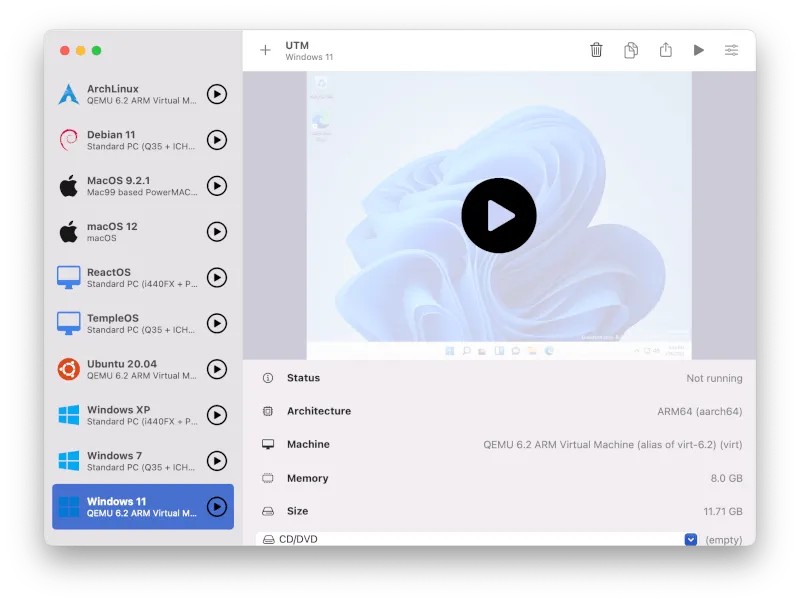
UTM quickly established itself as a reference solution for the Apple Silicon ecosystem. Technically, it acts as a user-friendly interface for QEMU, a powerful emulator and virtualizer.
- Strengths: It is the only solution between those mentioned capable of performing both native virtualization (e.g. Linux ARM or Windows on ARM at maximum speed) and the emulation of different architectures (e.g. x86 64 on M1/M2/M3) processor, although the latter with physiological performance restrictions.
- Ideal use: Cross-platform software development, Linux server distribution test and Android environments.
VMware Fusion: Enterprise Standard
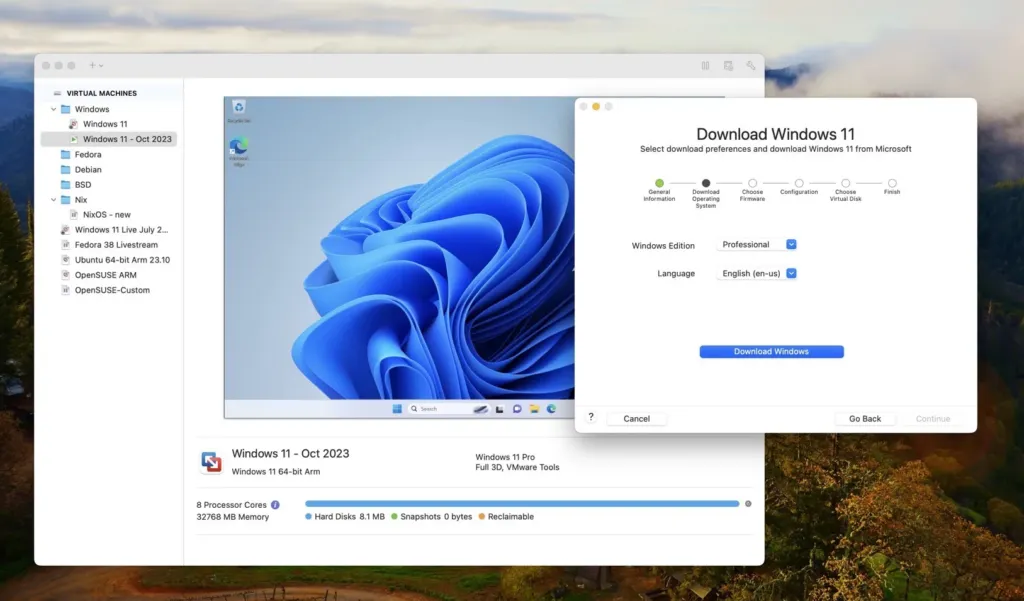
VMware Fusion represents continuity in the business world. After a period of adaptation to ARM architecture, the current version fully supports Apple Silicon chips.
- Evolution of the license model: A significant change was the decision to make VMware Fusion Pro free for personal use. This allows individual students and professionals to access enterprise-level features, such as advanced snapshot management and complex network integration, without licensing costs.
- Ideal use: Production environments, professional QA tests and those who need stability guaranteed by a historical vendor.
Oracle VirtualBox: The challenge of compatibility
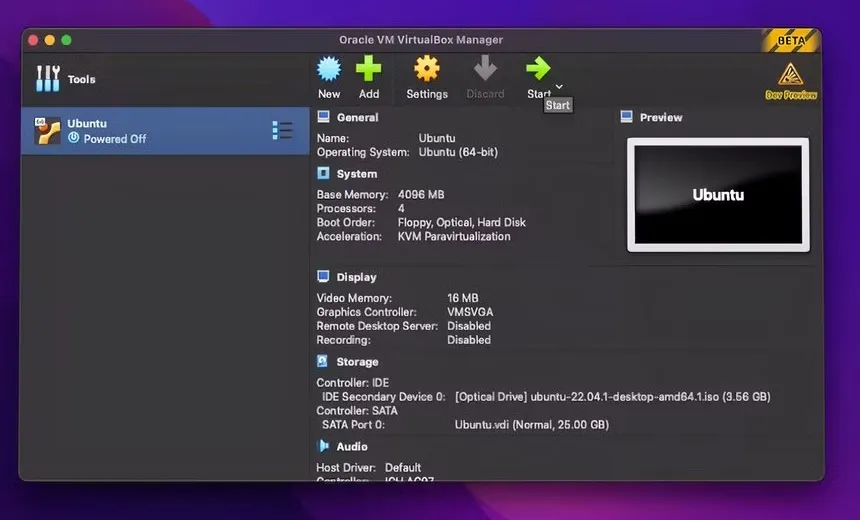
VirtualBox remains an omnipresent tool in the IT world for its multiplatform nature. However, on Apple Silicon, the software is in a complex position.
- Technical limitations: Being historically linked to x86 architecture, porting on Apple Silicon is being developed (Developer Preview in many iterations). Performances tend to be lower than native competitors and stability may vary depending on the guest operating system.
- Ideal use: Users who need virtualbox-specific automation scripts (Vagrant) or who need to maintain compatibility with legacy workflows, accepting performance compromises.
Final hardware considerations
The efficiency of Apple Silicon chips eliminated the thermal bottleneck that plagued virtualization on Intel laptops. Today you can run virtual lab complexes in mobility without a critical impact on the battery. The choice of software depends strictly on the operational needs: UTM for maximum flexibility, VMware for structured stability and VirtualBox for specific legacy needs.


