

The transformation of a website from simple digital presence to source of income is a strategic goal for many companies and content creators. The ability to generate revenue through web ownership management is a consolidated business model, however, the path to effective monetization is often complex and requires rigorous planning.
Approaching this sector without a definite strategy can lead to unsatisfactory results. This guide analyses the essentials to understand web traffic monetization and presents distinct methods to generate revenue, from theory to practical implementation.
The Foundations of Monetization: Value and Traffic
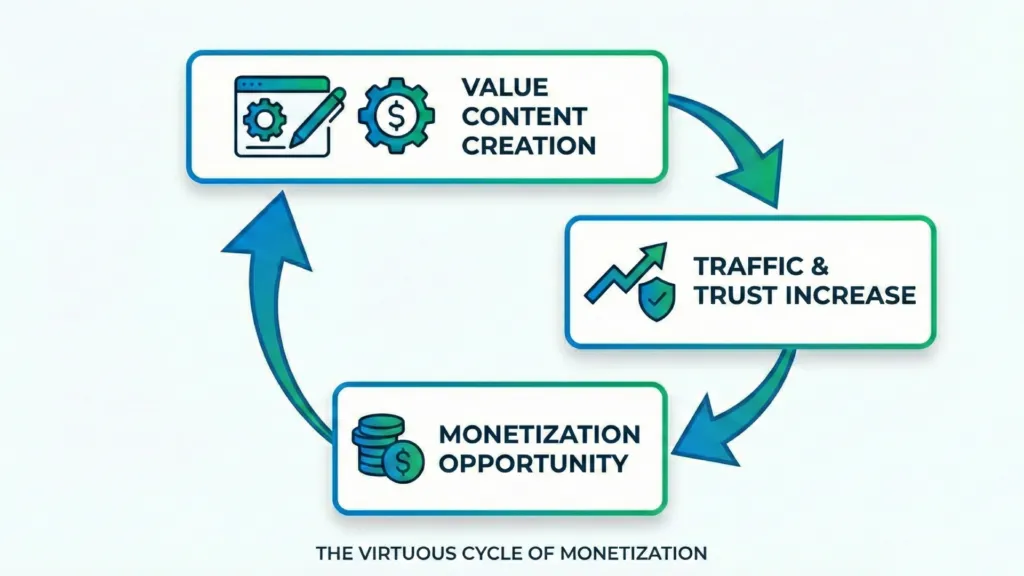
Monetization of a website can be defined as the process of converting traffic and engaging users into economic, active or passive revenue. Regardless of the specific method chosen, the success of any monetization strategy rests on essential foundations.
It is not enough to create a platform and wait passively for revenues. A medium-long term commitment (usually a minimum six-month horizon) and a constant growth-oriented mentality are required.
The prerequisite for quality content
The main engine of any profitable site is the ability to attract and retain a defined audience. This is achieved by providing high-value content that meets specific information, educational or entertainment needs. Whether to teach financial skills, offer career advice in the technological field or guide wellness practices, the site must act as an authoritative source.
The trust established through quality content encourages recurring visits, increasing the overall value of the web property and making it suitable for monetization.
Overview of Monetization Strategies
The choice of the most appropriate monetization method depends on the specific objectives of the project, the nature of the reference audience and the type of content offered. Strategies can vary from passive approaches, such as advertising, to more active models requiring the creation of their own products. Often, a combination of multiple methods (hybrid model) is the most resilient approach.
Below are some of the main methods to generate income through a website.
1. Advertising Networks (Google AdSense)
One of the most popular methods to start is joining advertising networks, of which Google AdSense is the best known example. This model works as an intermediary among advertisers, who seek visibility, and website owners (publishers), who have digital spaces.
Google analyzes the content of the site and serves ads relevant to the public. The earnings are generated mainly through the Pay Per Click (PPC): the publisher receives a commission each time a user interacts with an ad. Although the entry barrier is low, a substantial volume of traffic is required to obtain significant revenues (usually we recommend a minimum of 50 daily views to start seeing the first movements, but the numbers for profitability are much higher). The gain for a thousand views (RPM) is variable and depends on the market niche and user interaction rate with ads.
2. Direct advertising
Unlike advertising networks acting as intermediaries, direct advertising implies the sale of advertising space on the website directly to interested companies.
This approach requires greater management effort, including creating a professional “media kit” that details traffic statistics, demographic data of the public and price lists. However, it offers the advantage of retaining the entire embroidery without sharing it with third parties and guarantees greater control over the type of ads displayed and their positioning (banner, pop-up, etc.). Price models can be based on PPC or, more commonly in this case, on the Pay-Per-View (cost per thousand impressions) or on a fixed monthly fee.
3. Affiliate Marketing
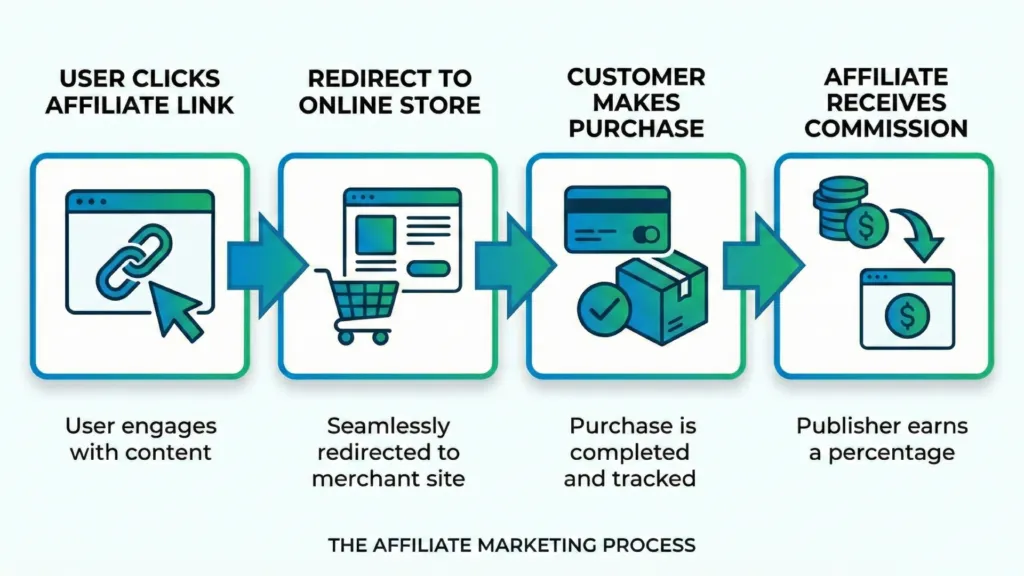
Affiliate Marketing is a performance-based model where third-party products or services are promoted. When a user makes a purchase through a unique tracking link (affiliated link) on the site, the site owner receives a commission on sale.
This method is particularly effective for blogs that publish reviews, shopping guides or tutorials. The affiliation can be managed in two ways:
- Direct: Agreements taken directly with individual companies offering internal programs.
- Indirect: Access to large affiliate networks (such as Amazon Associates, CJ Affiliate, ShareASale) that aggregate offers of multiple brands.
Success in affiliate marketing depends strongly on the trust of the public and the relevance of the products promoted regarding the content of the site.
4. Contents “Premium” and Paywall
For websites that have built a loyal user base and an authority recognized in a specific niche, the implementation of a paywall is a valid option. This model provides that access to certain high-value content (in-depth articles, exclusive reports, member areas) is reserved for paying users.
You can opt for a fee a tantum for access to life or, more frequently, for a recurring subscription model (monthly or annual). It is common to use a freemium model, offering free content to attract traffic and reserving the most strategic materials to subscribers. Platforms like WordPress offer specific plugins to manage different membership levels.
5. Sale of Products and Services
Instead of promoting products of others (affiliation) or selling spaces to third parties (publicity), a website can act as a direct e-commerce platform. The possibilities include:
- Digital Products: E-book, online courses, graphic templates, software. These goods have the advantage of low replication costs and logistics nothing.
- Physical Products: Merchandising, crafts or consumer goods specific to the site niche.
- Services: Consulting, coaching, freelance services (e.g. writing, design).
The integration of e-commerce features requires the use of dedicated platforms (such as Shopify or BigCommerce) or specific plugins, but offers maximum control over the brand and profit margins.
6. Sponsored Content (Native Advertising)
Sponsored content, also known as “native advertising”, consist of publishing articles, reviews or coverage of events paid by an advertiser brand. The goal is to integrate the promotional message organically within the standard editorial flow of the site.
It is essential to maintain transparency with readers, clearly reporting the sponsored nature of the content, and make sure that the brand partner is in line with the values of the site not to compromise the trust of the public. Sponsored posts are only a small percentage of independent editorial content.
7. Donations and Crowdfunding
For websites with a strong community component or offering a public service (such as open-source projects or independent journalism), voluntary donations can be a source of income.
Tools such as PayPal, Stripe or creator-specific platforms allow you to integrate donation buttons. Although this method may be less predictable than others, a very involved user base can generate significant economic support if the request is placed with transparency and courtesy.
8. Website Flipping
The “website flipping” treats the website as a digital real estate asset. The goal is not the long-term monthly income, but the capital gain from the sale of the entire property.
The process involves the creation of a site (or the purchase of an underrated one), the increase of its value through the improvement of traffic, SEO authority and monthly revenues, and finally its sale on dedicated marketplaces (such as Empire Flippers). The sales value is usually a multiple of average monthly profits generated by the site.
Operational and Tempistic aspects
To effectively manage cash flows from any monetization method, you need to configure an appropriate financial infrastructure. The most common systems include direct bank transfers (ACH/bonifici), digital wallets (PayPal, Payoneer) and payment processors such as Stripe. The scalability of the payment system is crucial to manage smooth business volume growth.
The variable time
It is essential to manage expectations regarding timing. Monetization is not an immediate process. Search engines need time to index and “trust” a new domain (often we talk about a “sandbox” period of a few months). By implementing solid SEO strategies and content marketing, it is realistic to expect the first tangible results in a time span from six to twelve months. The key lies in the consistency of value production and the continuous optimization of selected strategies.


