

Choosing the right monitor is essential to optimize the user experience, both for work and entertainment. Although display technologies have made huge strides over the last decade, offering high-quality products regardless of the type of panel, understanding the intrinsic differences between the various types is crucial for those seeking to push performance limits. This article will explore the main types of panels available on the market.
Overview of Types of Panels for Monitor
Below is a summary of the features related to the main types of panel. It is important to note that this table compares the relative advantages and disadvantages and their potential capabilities. The specific performance of a monitor may vary significantly depending on the model and manufacturer.
| Type of Panel | Update Frequency | Response time | Accurate color | View angle | Price |
| VA | Media | Loser | Loser | Good. | Low |
| T | Good. | Great. | Loser | Average | Low |
| IPS | Media | Loser | Good. | Good. | Average |
| OLED | Good. | Great. | Good. | Good. | High |
LCD panels
The LCD panels (Liquid Crystal Display) form the basis of most traditional monitors. They work with a large white backlight, whose components are then filtered to create the image.
VA (Vertical Alignment)
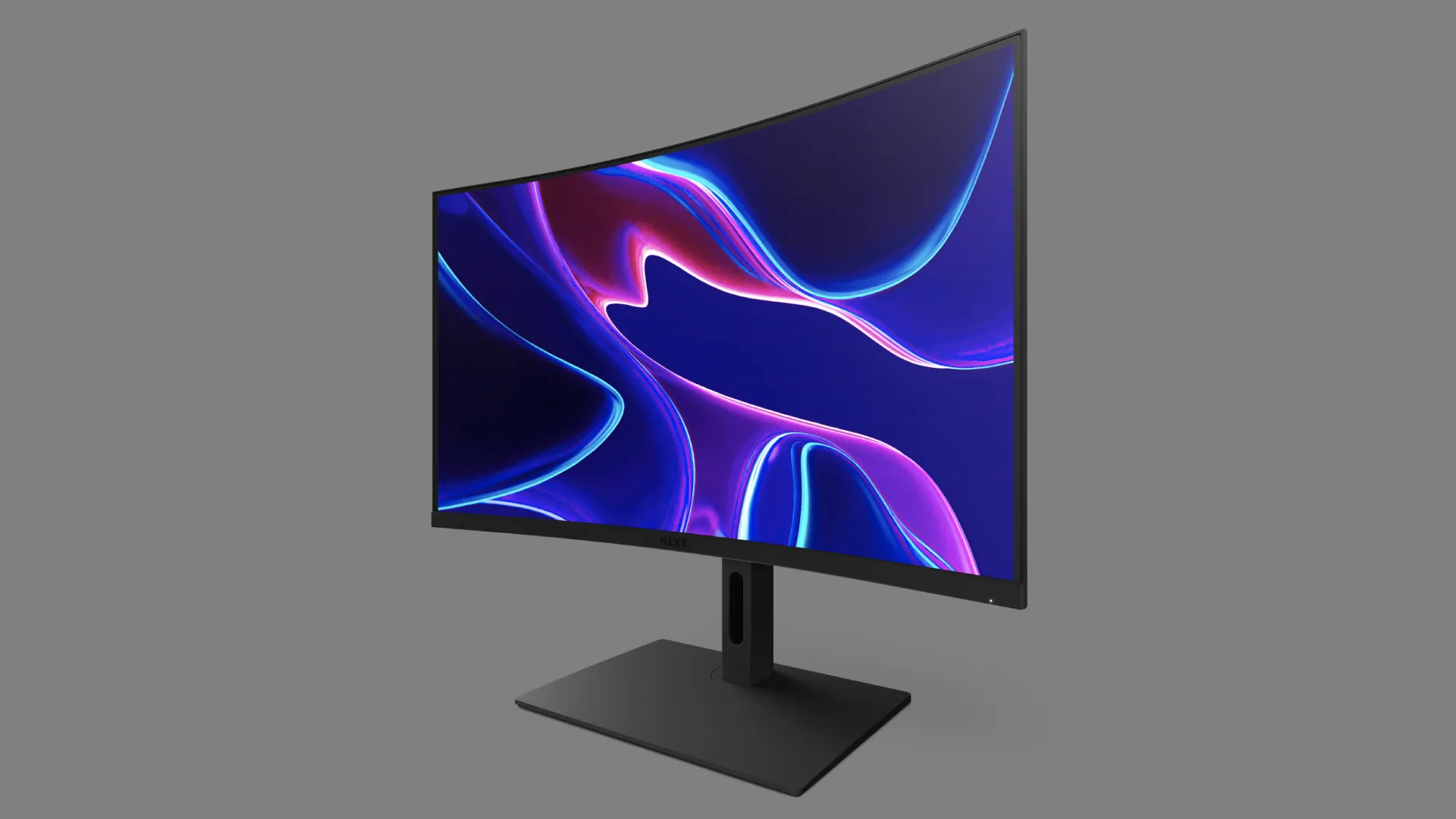
The panels VA (Vertical Alignment) are distinguished by the vertical alignment of liquid crystals. They are considered a versatile solution, offering a good balance between cost and performance. Their strength lies in the excellent contrast ratio, which allows to display very deep and bright white blacks, improving visual immersion. Traditionally, their main limitation was linked to slower response times, which could cause “ghosting” effects in fast motion scenes, a critical aspect for gaming. However, the most recent models have significantly mitigated this problem, making the VA panels an excellent choice of mid-range, often used in curved monitors.
TN (Twisted Nematic)
The panels TN (Twisted Nematic) are renowned for their operational speed. They offer extremely low response times and support very high refresh rates, features that made them the preferred choice for competitive players for years. Historically, they were the only frequency option higher than 144 Hz, but today many technologies can reach 240 Hz and beyond. The main compromises of the TN are the reproduction of less accurate colors and limited viewing angles, which can alter colors if observed not frontally. These features make them a cheaper option for entry-level monitors, but their specialization in speed still sees them protagonists when it comes to reaching new peaks in terms of responsiveness.
IPS (In-Plane Switching)
The panels IPS (In-Plane Switching) bring VA qualities to a higher level, in particular regarding color accuracy and viewing angles. They are the ideal choice for graphic professionals, artists and anyone who needs a faithful color reproduction and consistent with any angle. Although they were once penalized by slower response times than TNs, technological advances have reduced this gap, making them excellent “all-round” panels. They are generally more expensive than VA and TN, but offer an overall visual experience of the highest level.
OLED panels
OLED (Organic Light-Emitting Diode)
OLED (Organic Light-Emitting Diode) represents a significant technological leap compared to LCDs. The fundamental difference is that, unlike the LCDs that rely on a backlight, each single pixel of an OLED panel emits its light. This allows pixels to be completely turned off, resulting in absolute blacks and an infinite contrast ratio.
OLED monitors excel in every metric: color accuracy, brightness, viewing angles, refresh rate and response time. The result is an incredibly vivid screen, with bright colors and sharp details, all enclosed in a subtler and energy efficient design. Although in the past the potential “burn-in” (image retention) was a concern, modern OLED technologies include protective mechanisms that have drastically mitigated this risk. The OLED panels offer an unparalleled visual experience, although at a considerable price. OLED technology has also opened its way to unique innovations, such as flexible monitors, which can switch from flat screens to curves to adapt to different needs of use.
QD-OLED (Quantum Dot OLED)
QD-OLED is the latest evolution of OLED technology, designed to further improve brightness and color rendering. This innovation takes advantage of the Quantum Dots to convert blue light emitted by organic diodes into pure primary colors (red and green), allowing the display to reach higher brightness levels and a wider saturation of color. The result is an even more impressive dynamic range (HDR) and extremely vibrant colors, bringing the visual experience to the cinema. QD-OLED focuses on offsetting the brightness limits of traditional OLEDs, offering one of the best visual experiences available for PCs.


